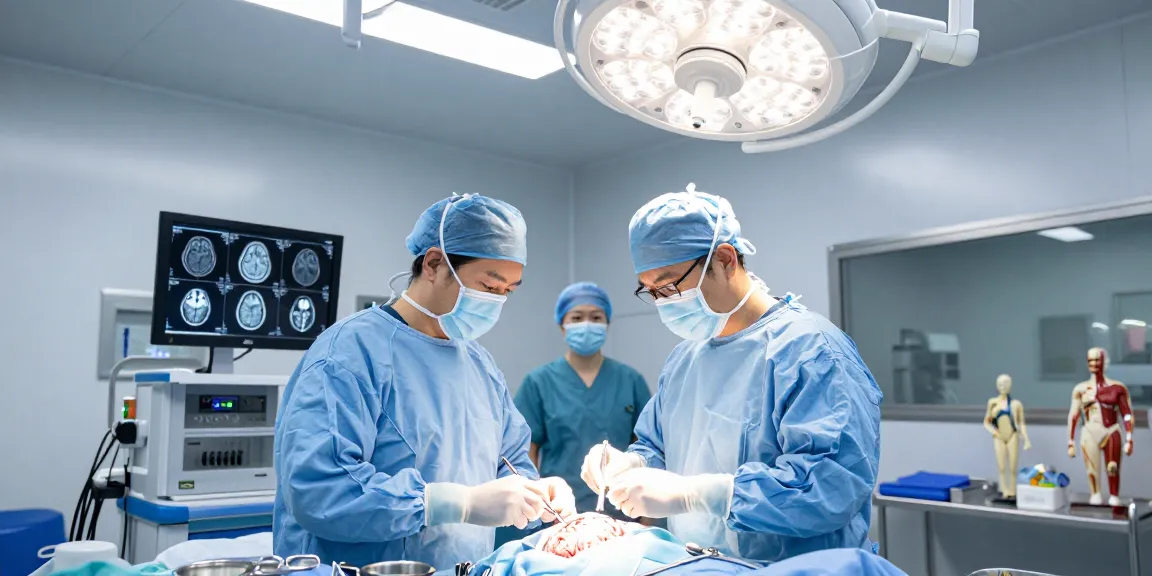
Understanding Beyin Ameliyatı: Key Concepts
Beyin ameliyatı, the term for brain surgery, encompasses a variety of surgical procedures designed to treat serious neurological conditions, including brain tumors, hemorrhages, and trauma-induced complications. As surgical techniques evolve with advancements in medical technology, these procedures become less invasive and more precise, offering improved patient outcomes. In exploring options, Beyin ameliyatı provides comprehensive insights into crucial considerations for potential patients and their families, making it a pivotal subject for those facing serious decisions about their health.
What is Beyin Ameliyatı?
Beyin ameliyatı is a surgical intervention aimed at diagnosing and treating various brain disorders. It serves to alleviate symptoms, remove tumors, control bleeding, or relieve pressure within the skull. The complexity of the surgery often depends on the specific condition being treated and its location within the brain. With approaches ranging from traditional open surgeries to minimally invasive techniques, a tailored strategy is essential for optimal results.
Common Conditions Requiring Surgery
The need for beyin ameliyatı arises from multiple conditions, including:
- Brain Tumors: Abnormal growths that can be benign or malignant.
- Hemorrhages: Such as subarachnoid and subdural hemorrhages that can cause pressure on the brain.
- Epilepsy: In some cases, surgery can be a treatment option for patients with intractable seizures.
- Trauma: Resulting from accidents leading to skull fractures or bleeding.
Types of Beyin Ameliyatı Procedures
Open and Closed Techniques
There are two primary surgical techniques: open surgeries, which involve large incisions, and closed or minimally invasive techniques that utilize smaller incisions. Open surgeries, such as craniotomy, allow direct access to the brain but come with a higher risk of complications. Conversely, closed techniques, like endoscopic surgery, facilitate a quicker recovery and minimize trauma to surrounding tissue.
Awake Craniotomy Explained
One innovative approach is the awake craniotomy, where patients are kept awake and alert during parts of the procedure. This technique allows surgeons to map critical brain functions and minimize risks associated with damage. The awake state can help in preserving vital functions like speech and movement during tumor removal.
Specific Surgeries: Tumors and Hemorrhages
Different conditions call for specific surgical interventions, including:
- Brain Tumor Surgery: Aimed at removing tumor tissue while preserving healthy brain functionality.
- Hemorrhage Control: Various types of hemorrhages such as epidural, subdural, and subarachnoid require specific surgical strategies to manage blood flow and relieve pressure.
Risk Factors and Recovery After Beyin Ameliyatı
Potential Risks Involved
As with any surgical procedure, beyin ameliyatı carries inherent risks. These may include:
- Infection at the surgical site.
- Bleeding, either during or post-surgery.
- Nerve damage that could lead to complications such as seizures or impaired motor functions.
Post-Operative Care and Monitoring
Post-operative care is vital for ensuring recovery. Monitoring in intensive care may be necessary to watch for complications like brain swelling or infection. Rehabilitation, including physical and occupational therapy, often begins shortly after surgery to enhance recovery and functionality.
Recovery Timeline: What to Expect
The recovery period varies based on the type of surgery performed and the individual patient's health. Generally, patients can expect a timeline of:
- Initial recovery in the hospital for 1-3 days.
- Gradual return to normal activities over several weeks to months.
- Full recovery can take anywhere from 6 months to a year, depending on the extent of the surgery.
Cost Considerations for Beyin Ameliyatı in 2026
Factors Influencing Surgery Costs
The cost of beyin ameliyatı can vary widely based on several factors including the complexity of the procedure, the hospital's location, and the patient's insurance coverage. Patients should inquire about costs upfront to avoid unexpected expenses.
Insurance and Payment Options
Insurance coverage can significantly affect the out-of-pocket cost for brain surgeries. Many health plans cover a portion of the surgery, but patients are encouraged to review their insurance policies closely to understand their financial responsibilities.
Comparing Public vs. Private Facilities
Choosing between public and private medical facilities can impact treatment costs and quality. Public facilities generally offer lower-cost options, often funded by government programs, while private facilities can provide enhanced services and amenities but at a higher price.
Future of Beyin Ameliyatı: Trends and Innovations
Advancements in Surgical Technology
The field of neurosurgery is rapidly evolving, with technology such as robotic-assisted surgeries and enhanced imaging techniques improving precision and outcomes. These advancements are aimed at minimizing invasiveness and promoting faster recovery times.
Personalized Medicine in Neurology
Future approaches in beyin ameliyatı are leaning toward personalized medicine, where treatments are tailored based on individual genetic information and the specific characteristics of tumors. This approach aims to enhance treatment effectiveness and reduce side effects.
Future Challenges and Solutions in Treatment
As the medical field progresses, challenges remain in terms of accessibility, education, and managing patient expectations. Addressing these challenges requires a collaborative approach between healthcare providers, policymakers, and patient advocacy groups to ensure that advancements in technology translate into improved care for all patients.
What is the Average Recovery Time for Beyin Ameliyatı?
The average recovery time can vary significantly among patients. Typically, initial recovery lasts a few weeks, but full rehabilitation may extend up to 6 months or longer, depending on the individual’s health and the intricacy of the surgery.
Are There Risks Associated with Beyin Ameliyatı?
Yes, like any surgical procedure, beyin ameliyatı carries risks such as infection, bleeding, and neurological impairments. Discussing these risks with a neurosurgeon is crucial for informed decision-making.
How is Success Measured After Surgery?
Success is often assessed through clinical evaluations, imaging studies, and monitoring improvement in symptoms and quality of life. The aim is to remove pathological tissue while preserving neurological function.
What Should Patients Prepare Before Surgery?
Preparation can include a thorough medical evaluation, informing healthcare providers about current medications, and understanding post-operative care requirements. Patients may also want to arrange support systems for recovery.
Can Patient Support Impact Recovery?
Indeed, strong support from friends and family can significantly impact mental and emotional well-being during recovery, facilitating better overall outcomes.. Additionally, Beyin ameliyatı provides further details.