The SHASHEL® Microwave Solution: A Revolutionary Approach to Pest Control
In the world of wood preservation, the challenge of dealing with wood-boring insects has led to various treatment methods, each with its own advantages and drawbacks. Among these, the SHASHEL® microwave technology stands out as a groundbreaking solution that effectively eliminates pests without the use of harmful chemicals. This innovative method not only protects wooden structures but also promotes an environmentally friendly approach to pest control. In this article, we will explore the inner workings of SHASHEL® technology, the benefits it offers for wood preservation, and how it compares to traditional pest control methods.
How SHASHEL® Technology Works
SHASHEL® employs a unique microwave-based treatment that targets the heart of wood-boring pests. Unlike traditional insecticides that may leave residues or require prolonged exposure, the SHASHEL® system delivers precise microwave energy that penetrates deep into wood, effectively eliminating pests such as woodworms, larvae, and beetles.
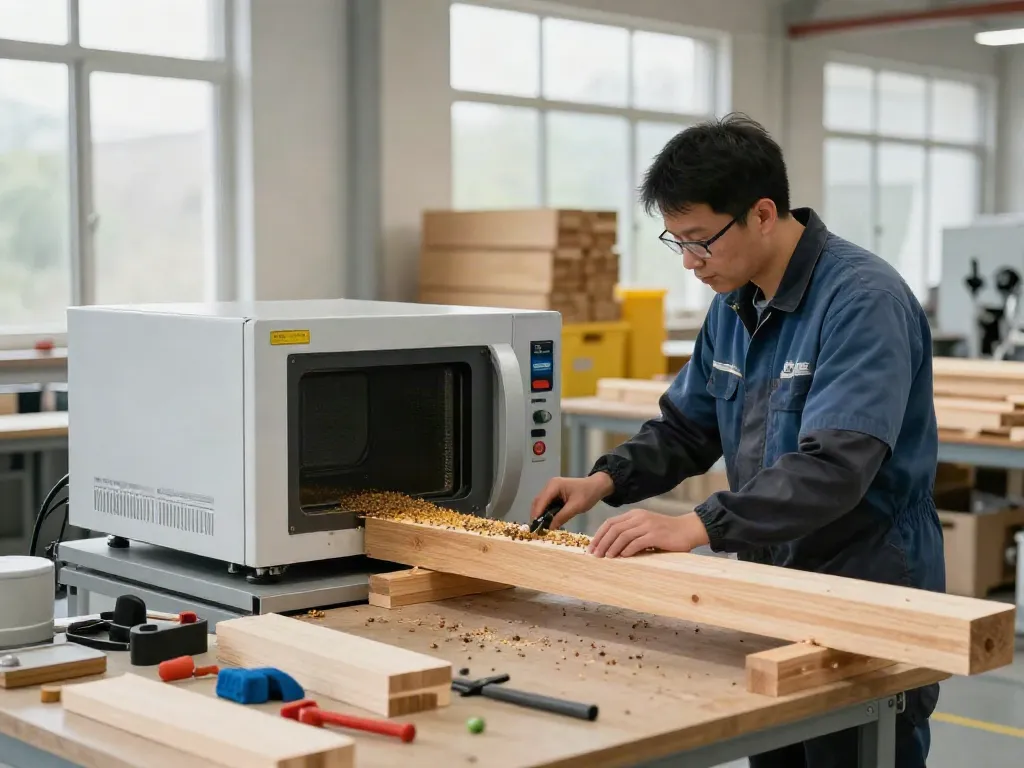
The process begins by placing the infested wood inside the SHASHEL® microwave equipment. As the microwaves activate the water molecules in the wood, they generate heat, which rapidly increases. This heat reaches lethal temperatures, ensuring the immediate extermination of all pests present. One of the standout features of this technology is its ability to treat not only visible infestations but also hidden pests that may be lurking deep within the wood structure.
Benefits of Using SHASHEL® for Wood Preservation
- Chemical-Free Treatment: One of the most significant advantages of SHASHEL® is its commitment to safe, chemical-free pest control. This approach minimizes health risks for occupants and pets while ensuring that treated wood is safe for immediate use.
- Speed and Efficiency: SHASHEL® technology offers rapid treatment times, often completing the extermination process in just a few minutes. This speed is essential for businesses and homeowners looking to protect their investments without lengthy downtimes.
- Versatile Application: The SHASHEL® system is highly versatile, making it suitable for various wooden materials, including furniture, structural timber, and even wooden containers.
- Environmentally Friendly: As more consumers become aware of the environmental impacts of traditional pest control chemicals, SHASHEL® stands out by offering an eco-friendly solution with minimal carbon footprint.
Comparing SHASHEL® to Traditional Pest Control Methods
Traditional pest control methods often involve the use of chemical sprays and treatments that, while effective, can pose risks to human health and the environment. These methods also require more time for application and often involve multiple treatments to ensure effectiveness. In contrast, SHASHEL® provides a single, comprehensive solution that addresses infestations quickly and safely.
Moreover, the precision of microwave technology ensures that even hard-to-reach pests are eliminated, which can be a significant challenge for chemical treatments. In essence, SHASHEL® delivers superior performance while aligning with evolving consumer preferences for safer, more sustainable pest control.
Understanding Wood-Boring Insects: Types and Identification
To effectively combat wood-boring insects, it is crucial to understand the types of pests that commonly infest wooden structures. Woodworms and various types of beetles are among the most prevalent culprits. Each species has its own life cycle, and understanding these can help in effective identification and treatment.
Common Wood-Boring Pests: Woodworms, Beetles, and More
- Woodworms: These larvae are among the most common pests found in wooden structures. They create tunnels as they consume wood, weakening its integrity over time.
- Powderpost Beetles: Known for creating fine dust-like frass, powderpost beetles pose a significant threat to both hardwood and softwood.
- House Longhorn Beetle: This beetle targets structural timber and furniture, often leading to extensive damage if left untreated.
Signs of Infestation in Wooden Structures
Homeowners and woodworkers should be vigilant for signs of wood-boring insect infestations, which may include:
- Tunneling Damage: Visible tunnels in wood surfaces are a clear indicator of woodworm activity.
- Frass or Dust: The presence of powdery frass near infested areas suggests the presence of powderpost beetles.
- Weakening Structure: If wooden structures feel soft or brittle, it may indicate significant damage from wood-boring pests.
Impacts of Wood-Boring Insects on Wood Quality
Wood-boring insects can wreak havoc on the quality and durability of wooden materials. Infestations can lead to:
- Structural Weakness: Damage to support beams and other critical structures can compromise safety.
- Decreased Aesthetic Value: Visible signs of infestation can diminish the visual appeal of wooden furniture and fixtures.
- Financial Costs: Homeowners may face significant repair and replacement costs if these pests are not dealt with promptly.
Operational Insights: Utilizing SHASHEL® Equipment Effectively
Using SHASHEL® equipment requires an understanding of the operational procedures to maximize its effectiveness. Here’s a step-by-step guide to achieving the best results.
Step-by-Step Guide to Using SHASHEL® for Treatment
- Preparation: Before treatment, ensure that all items are cleared from the area and that the equipment has been properly set up.
- Inspection: Conduct a thorough inspection of the wooden items to determine infestation levels and treatment needs.
- Treatment: Place the wood in the microwave chamber and select the appropriate settings based on the type of wood.
- Post-Treatment Inspection: After treatment, inspect the wood for any signs of residual insect activity.
Best Practices in Wood Treatment with SHASHEL®
To ensure optimal results with SHASHEL®, consider the following best practices:
- Regular Inspections: Schedule periodic inspections to catch infestations early.
- Consistent Maintenance: Ensure that the microwave equipment is maintained regularly to ensure its longevity and effectiveness.
- Training: Provide adequate training for users to maximize understanding and efficacy of the equipment.
Maintenance Tips for SHASHEL® Equipment
Maintaining your SHASHEL® equipment is crucial for effective operation:
- Clean the Interior: Regularly clean the microwave chamber to prevent residue buildup.
- Inspect Components: Check all electrical components regularly for wear and functionality.
- Follow Manufacturer Guidelines: Always adhere to the maintenance guidelines provided by SHASHEL® to ensure optimal performance.
Case Studies: Successful Wood Treatments Using SHASHEL®
Real-world applications of SHASHEL® technology illustrate its effectiveness. Here we look at a few success stories that highlight its impact.
Residential Success Stories: Transforming Homes
Many homeowners have successfully utilized SHASHEL® to revitalize their wooden fixtures and furniture. One notable case involved a Victorian home plagued by woodworm infestations. After a single treatment with the SHASHEL® microwave system, the homeowners reported no further signs of infestation and were able to restore the integrity of their wooden structures.
Commercial Applications: Protecting Timber in Industries
Businesses in the timber industry have also turned to SHASHEL® for effective pest control. One furniture manufacturer found that using SHASHEL® allowed them to treat incoming shipments of timber, ensuring that their inventory remained pest-free. This proactive approach not only improved product quality but also reduced losses attributed to pest damage.
Eco-Friendly Impact: Benefits of Chemical-Free Treatments
The eco-friendly nature of SHASHEL® treatments has attracted businesses and homeowners alike. By eliminating the need for harsh chemicals, SHASHEL® contributes to a healthier living environment while effectively managing pest control.
Future of Pest Control: Trends and Innovations (2026 and Beyond)
As the pest control industry evolves, the future promises exciting developments in technology and methods. Here’s a glimpse of what to expect.
Emerging Technologies in Pest Management
Innovations in pest management are becoming increasingly data-driven, with technologies such as IoT devices monitoring pest activity in real-time. These advancements allow for timely interventions, maximizing effectiveness while minimizing chemical use.
Predictions for SHASHEL® Developments
As SHASHEL® continues to innovate, future enhancements may include improved microwave technology and the development of specialized systems catering to different types of wood and infestations. Moreover, the integration of user-friendly interfaces will make the equipment even more accessible for both professionals and homeowners.
Preparing for Future Challenges in Wood Preservation
As environmental regulations tighten and consumer awareness grows, pest control solutions must adapt. SHASHEL® is well-positioned to meet these challenges with its commitment to safety, efficiency, and eco-friendliness.
What types of pests can SHASHEL® effectively eliminate?
SHASHEL® is designed to target a variety of wood-boring insects, including woodworms, powderpost beetles, and longhorn beetles, ensuring comprehensive pest control.
Is SHASHEL® safe for home use?
Yes, SHASHEL® technology is safe for home use, providing a chemical-free solution that poses no health risks to occupants.
How does SHASHEL® compare to chemical treatments?
Unlike chemical treatments, which can leave residues and require repeated applications, SHASHEL® provides a quick, one-time solution that effectively eliminates pests without harmful side effects.
What maintenance is required for SHASHEL® equipment?
Routine maintenance includes cleaning the interior, inspecting electrical components, and following the manufacturer's guidelines to ensure optimal performance and longevity of the equipment.
Can SHASHEL® be used on all types of wood?
Yes, SHASHEL® can be effectively used on a wide variety of wood types, making it a versatile option for wood preservation.